
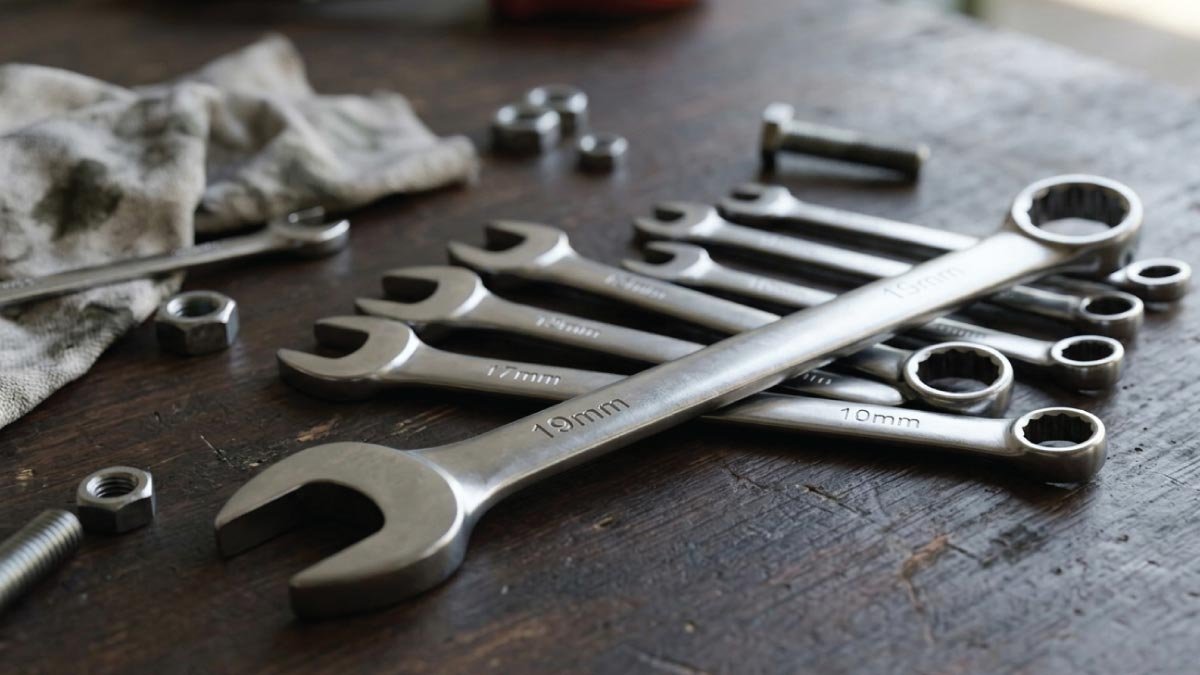
Choosing the correct wrench size is one of the most basic but most important skills in mechanical work, automotive repair, plumbing, and CNC machine maintenance. Using the wrong wrench size can damage bolts, round off fasteners, reduce torque efficiency, and even cause safety hazards.
Many beginners assume that all bolts are the same or that “close enough” wrench sizes will work. In reality, even a 0.5 mm difference can lead to slipping, stripped bolts, or improper tightening.
In this guide, you will learn how to identify the correct wrench size using a wrench size chart, how to measure bolts properly, and how professionals avoid mistakes in real workshop environments.
Understanding Bolt and Wrench Sizing
Before using a wrench size chart, it is essential to understand how bolts are designed and measured in mechanical systems. Bolts are not sized by a single measurement but by multiple dimensions that define their strength, fit, and compatibility with tools and assemblies.
A bolt has three important dimensions:
- Diameter (thread size)
- Head size (across flats)
- Length
Each of these measurements serves a different purpose in mechanical design. The diameter defines how the bolt fits into threaded holes, the length determines how deep it extends, and the head size determines which wrench is required for tightening or loosening.
The wrench size is based on the head size, not the thread diameter. This is one of the most common points of confusion for beginners in mechanical work. Many people assume a 10 mm bolt requires a 10 mm wrench, but this is incorrect in most cases.
For example:: A 10 mm bolt does NOT use a 10 mm wrench. It may require a 17 mm wrench depending on engineering standards and bolt type.
Understanding this relationship is important for avoiding tool mismatch, bolt damage, and improper torque application during assembly or maintenance work.
Standard Wrench Size Chart (Metric & Imperial)
Below is a commonly used wrench size chart in workshops, automotive repair, and mechanical industries. This chart helps technicians quickly match bolt sizes with the correct wrench without trial and error.
Metric Wrench Size Chart
| Bolt Size (mm) | Wrench Size (mm) |
|---|---|
| M5 | 8 mm |
| M6 | 10 mm |
| M8 | 13 mm |
| M10 | 17 mm |
| M12 | 19 mm |
| M14 | 22 mm |
| M16 | 24 mm |
| M18 | 27 mm |
| M20 | 30 mm |
Imperial Wrench Size Chart
| Bolt Size (inch) | Wrench Size (inch) |
|---|---|
| 1/4″ | 7/16″ |
| 5/16″ | 1/2″ |
| 3/8″ | 9/16″ |
| 7/16″ | 5/8″ |
| 1/2″ | 3/4″ |
| 9/16″ | 13/16″ |
| 5/8″ | 15/16″ |
| 3/4″ | 1-1/8″ |
This chart helps technicians quickly identify the correct wrench size without guessing or trial fitting, reducing the risk of bolt damage, tool wear, and improper tightening during mechanical operations.
How to Identify Correct Wrench Size (Step-by-Step)
Selecting the correct wrench size is not a guessing task; it requires a systematic and accurate approach. Proper identification ensures safe fastening, prevents damage to bolts, and improves efficiency in mechanical and industrial work. Following a step-by-step method helps eliminate errors and ensures reliable results every time.
Step 1: Identify Bolt Type
The first step in selecting the correct wrench is identifying whether the bolt follows a metric or imperial measurement system. This distinction is critical because using the wrong system leads to improper tool fit and potential damage.
Metric bolts are measured in millimeters and are commonly used in most countries, while imperial bolts are measured in inches and are widely used in the United States and some industrial systems.
- Metric bolts → measured in mm
- Imperial bolts → measured in inches
👉 Always check markings on the bolt head if available, as manufacturers often stamp size information directly onto the fastener for easy identification.
Step 2: Measure Bolt Head Size
Once the bolt type is identified, the next step is to measure the bolt head size accurately. This is done using a caliper or a wrench gauge to determine the across flats (AF) measurement.
How to measure:
- Place caliper jaws on two opposite flat sides
- Read measurement in mm or inches
- Compare with standard chart
This measurement represents the exact wrench size required for proper engagement. Accuracy at this stage is crucial, as even small errors can result in loose fitting or stripped bolt heads during tightening.
Step 3: Match with Wrench Size Chart
After obtaining the measurement, the next step is to match it with a standard wrench size chart. This ensures that you select the correct tool based on established mechanical standards rather than estimation.
Example:
- Measured bolt head = 17 mm
- From chart → M10 bolt → 17 mm wrench
👉 This ensures correct fit and prevents slipping during operation, which helps maintain both tool safety and mechanical integrity.
Using a chart removes guesswork and ensures consistency across different mechanical applications.
Step 4: Test Fit Carefully
Before applying any force or torque, it is important to test-fit the wrench on the bolt. This step confirms that the selected tool is correct and properly aligned with the fastener.
- Wrench should fit snugly
- No loose movement
- No forced fitting required
If the wrench feels too tight or too loose, it indicates incorrect sizing or measurement error. In such cases, it is necessary to recheck the bolt size before proceeding further.
Step 5: Apply Correct Torque
Once the correct wrench size is confirmed, the final step is to apply torque properly. Proper torque application ensures that the fastener is securely tightened without causing damage to the bolt or surrounding components.
- Avoid sudden force
- Keep wrench aligned
- Prevent slippage
Applying steady and controlled pressure helps maintain fastening strength and prevents mechanical failure. Correct torque ensures long-term reliability and safe operation of assembled parts.
Also Read:
Common Mistakes When Choosing Wrench Size
Many beginners in mechanical work make simple but critical mistakes when selecting wrench sizes. These errors often result in damaged bolt heads, poor fastening quality, and wasted time during repair or assembly tasks. Understanding these mistakes helps improve accuracy and prevents costly mechanical issues.
1. Using adjustable wrench incorrectly
One of the most common mistakes is using an adjustable wrench with improper jaw tightness. If the wrench is not properly adjusted, it can slip during use and damage the bolt head.
- Loose adjustment leads to slipping and rounded bolts.
This not only reduces grip strength but also increases the risk of permanently damaging the fastener, making future removal difficult.
2. Guessing wrench size
Another frequent error is relying on visual estimation instead of proper measurement or chart reference. Many beginners assume the wrench size based on appearance, which often leads to incorrect selection.
- Never rely on visual estimation.
Guessing can result in loose fit or excessive force application, both of which damage bolts and reduce efficiency in mechanical work.
3. Mixing metric and imperial tools
Using metric and imperial tools interchangeably is a serious mistake in mechanical operations. Since both systems have different sizing standards, mixing them leads to improper fit.
- Causes incorrect fit and tool damage.
This mistake often results in slipping tools, stripped bolts, and increased wear on both fasteners and wrench surfaces.
4. Using worn-out wrenches
Old or damaged wrenches lose their gripping efficiency over time. Worn edges reduce contact with bolt surfaces, making it harder to apply proper torque.
- Old tools may not grip properly.
This increases the chances of slippage, rounding of bolt heads, and unsafe working conditions during mechanical operations.
5. Applying excessive force
Using too much force while tightening or loosening bolts is another common mistake. Excess pressure can easily damage the bolt head or even break the fastener.
- Increases risk of stripping bolt heads.
Controlled and steady force should always be used to ensure safe and accurate fastening without damaging components.
Also Read:
Types of Wrenches and Their Uses
Different types of wrenches are designed for specific mechanical tasks. Each wrench type has unique advantages depending on the application, torque requirement, and accessibility of the fastener. Choosing the correct type improves efficiency and reduces the risk of damage.
1- Open-end wrench
The open-end wrench has two flat jaws that grip opposite sides of a bolt or nut. It is commonly used for quick adjustments in tight spaces where speed is more important than maximum grip strength.
- Quick adjustments
- Limited grip strength
This wrench is useful for light-duty tasks but is not ideal for high-torque applications.
2- Box-end wrench
The box-end wrench fully encloses the bolt head, providing a strong and secure grip. It is designed for higher torque applications where slipping must be avoided.
- Strong grip
- Best for tight bolts
This type is ideal for stubborn or tightly fastened bolts that require more force to loosen or tighten.
3- Combination wrench
A combination wrench features an open-end on one side and a box-end on the other. This makes it highly versatile for different types of mechanical tasks.
- Open + box end
- Most commonly used
It is widely used in workshops because it combines flexibility and strength in a single tool.
4- Adjustable wrench
An adjustable wrench allows users to change jaw size, making it suitable for multiple bolt sizes. However, it requires careful handling to avoid slipping during use.
- Flexible sizing
- Risk of slipping if not used properly
It is convenient but less precise compared to fixed-size wrenches.
5- Socket wrench
A socket wrench uses interchangeable sockets to fit different bolt sizes and is commonly used in automotive and industrial applications. It allows efficient high-torque operation.
- High torque applications
- Automotive and industrial use
This wrench type is highly efficient for repetitive tasks and provides excellent grip and control during fastening operations.
Also Read:
Professional Tips for Wrench Selection
Experienced mechanics and technicians rely on practical field-tested habits to ensure accurate wrench selection and smooth mechanical operations. These simple but effective tips help improve efficiency, reduce errors, and extend tool life while maintaining safety in workshops and industrial environments.
Tip 1: Always use correct system
One of the most important rules in mechanical work is to always use the correct measurement system. Mixing metric and imperial tools often leads to incorrect fitting and damaged fasteners.
- Never mix metric and imperial tools.
Using the correct system ensures accurate sizing, proper torque application, and prevents unnecessary wear on both tools and bolts.
Tip 2: Keep wrench set organized
An organized wrench set saves time and reduces mistakes during fast-paced mechanical work. Proper arrangement allows technicians to quickly identify the correct size without confusion or delay.
- Helps quick identification.
Organized tools improve workflow efficiency and reduce the chances of selecting the wrong wrench size during urgent repair or assembly tasks.
Tip 3: Use proper lighting
Good lighting plays an important role in accurate wrench selection, especially in detailed mechanical work or low-visibility environments. Proper lighting helps clearly identify bolt sizes and tool markings.
- Improves accuracy in size selection.
Better visibility reduces errors, improves precision, and ensures correct tool usage during mechanical operations.
Tip 4: Check bolt condition
Before selecting a wrench, it is important to inspect the condition of the bolt. Rust, dirt, or damage can affect how the wrench fits and performs during tightening or loosening.
- Rust or damage may affect fitting.
Checking bolt condition ensures proper tool engagement and prevents slipping or stripping during mechanical work.
Tip 5: Replace worn tools
Worn or damaged wrenches lose their gripping ability over time, which can lead to slipping and bolt damage. Regular inspection and replacement are essential for maintaining performance.
- Ensures safety and performance.
Using properly maintained tools improves reliability, reduces accidents, and ensures consistent mechanical results.
Why Wrench Size Accuracy Matters in Engineering
Wrench size accuracy is not just about convenience—it is a critical factor in engineering safety, performance, and long-term reliability of mechanical systems. Incorrect wrench selection can lead to serious operational and structural issues.
Improper sizing may result in:
- Structural failure
- Equipment damage
- Safety risks
- Costly repairs
Accurate wrench selection ensures that fasteners are tightened correctly, maintaining mechanical integrity and preventing unexpected failures. In industries such as automotive, construction, and manufacturing, even small errors can lead to major consequences. Proper sizing ensures stable operation, reduces maintenance costs, and improves the lifespan of machines and assemblies.
Final Thoughts
Identifying the correct wrench size using a chart is a fundamental mechanical skill that every technician, engineer, and DIY enthusiast must understand. It ensures safe fastening, prevents damage to tools and fasteners, and significantly improves efficiency in all types of mechanical work.
The key is to always measure correctly, rely on standard wrench size charts, and avoid guessing or forcing tools onto bolts.
Simple rule to remember:
👉 “Never force a wrench—always match the exact size.”
This principle ensures safety, accuracy, and long-term reliability in all mechanical applications.