
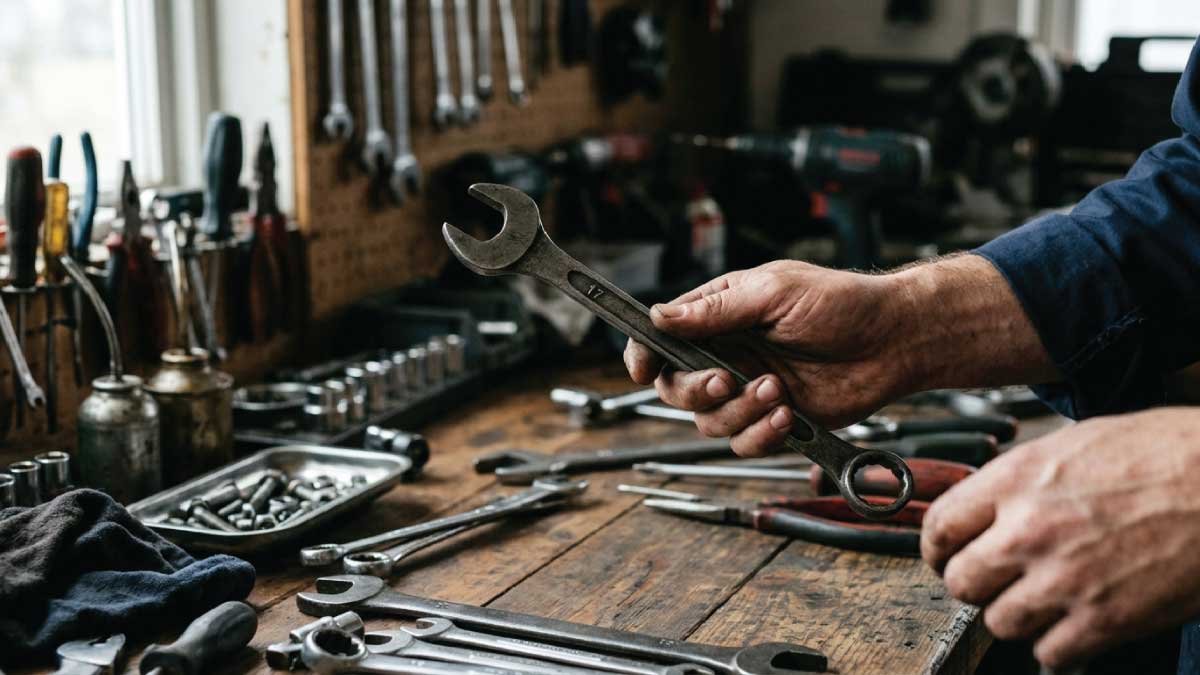
Wrenches are essential tools in every mechanic’s toolbox, from professional workshops to home DIY projects. Whether you’re tightening a bolt, repairing your car, or assembling furniture, choosing the right wrench size is crucial.
Using the wrong size can strip bolts, damage threads, or even cause injury. Understanding wrench sizes and knowing how to match them with the right fasteners is key to working efficiently and safely.
In this guide, we will explore both metric and SAE (imperial) wrench sizes, provide detailed charts, and share tips for proper usage.
How One Wrong Wrench Size Turned a Simple Repair Into a Lesson
It was a chilly Saturday morning, and Mark, a seasoned automotive enthusiast, was ready to tackle a minor repair on his classic car. The engine had been acting up, and he knew it was just a matter of tightening a few bolts. Confidently, he grabbed his toolbox, expecting a quick fix.
As he reached for a wrench, he realized something many DIYers experience: the right wrench size wasn’t obvious. He picked up a random open-end wrench and tried to tighten the first bolt. The wrench slipped, rounding off the bolt head and leaving him frustrated. Mark sighed—what should have been a simple task had turned into a time-consuming challenge.
Determined to finish the repair properly, he paused and took a closer look at his toolbox. He realized that having a full set of wrenches, knowing the difference between metric and SAE sizes, and understanding the correct tool for each bolt could have saved him this headache. Mark remembered a colleague mentioning a detailed wrench size chart that made identifying sizes fast and easy.
With renewed focus, he sorted through his collection, checking each wrench against a size chart. He matched metric and SAE wrenches to the bolts, carefully selecting the perfect fit. The moment he used the correct wrench, everything clicked. The bolt tightened smoothly without any slipping, and the job was completed efficiently. Mark felt a sense of satisfaction, knowing that preparation and knowledge were just as important as skill.
This experience taught him a valuable lesson: working smarter, not harder, is the key to success. Whether you’re a professional mechanic or a weekend DIYer, having a clear understanding of wrench types, sizes, and proper usage makes every task faster, safer, and less frustrating.
In the world of tools, details matter. One wrong size can turn a simple project into a costly mistake. That’s why a comprehensive wrench size chart isn’t just a reference—it’s a guide that ensures efficiency, protects your fasteners, and keeps your projects running smoothly.
If you’ve ever struggled with stripped bolts, slipping wrenches, or wasted time searching for the right tool, this guide will help you avoid those mistakes. By the end of this post, you’ll know exactly which wrench to use for every task, whether it’s household repairs, automotive work, or mechanical projects.
Understanding Wrench Sizes
Wrench sizes refer to the distance across the flats of a bolt or nut that a wrench can grip. Unlike adjustable wrenches, which can adapt to different sizes, fixed wrenches are designed to fit specific measurements.
There are two main measurement systems:
Metric Wrenches (Millimeters) – Common worldwide, especially in Europe and Asia.
SAE or Imperial Wrenches (Inches) – Commonly used in the USA and on American-made vehicles or equipment.
It’s important not to mix metric and SAE sizes, even if they seem close. A slight mismatch can lead to slipping, rounding of nuts, or stripped bolts.
Metric Wrench Size Chart
Metric wrenches are measured in millimeters, and each size corresponds to the flat-to-flat distance across a nut or bolt. Below is a detailed list of commonly used metric wrench sizes:
Metric Wrenches (mm):
- 6 mm
- 7 mm
- 8 mm
- 9 mm
- 10 mm
- 11 mm
- 12 mm
- 13 mm
- 14 mm
- 15 mm
- 16 mm
- 17 mm
- 18 mm
- 19 mm
- 20 mm
- 21 mm
- 22 mm
- 23 mm
- 24 mm
- 25 mm
Tips for Metric Wrench Usage:
- Metric sizes are most commonly found on European cars and machinery.
- Keep a full set from 6 mm to 25 mm for home workshops.
- For precision work, especially in electronics or bicycle repairs, small sizes like 6 mm to 10 mm are frequently used.
SAE Wrench Size Chart (Imperial)
SAE (Society of Automotive Engineers) wrenches are measured in inches or fractions of an inch. These are commonly used in the United States and on older machinery or vehicles.
SAE Wrenches (inches):
- 1/4″
- 5/16″
- 3/8″
- 7/16″
- 1/2″
- 9/16″
- 5/8″
- 11/16″
- 3/4″
- 13/16″
- 7/8″
- 15/16″
- 1″
- 1-1/16″
- 1-1/8″
- 1-1/4″
Tips for SAE Wrench Usage:
- SAE wrenches are widely used in American-made cars, trucks, and industrial equipment.
- Fractional sizes are common in automotive applications.
- Always match the wrench precisely to the bolt to prevent rounding or slipping.
How to Read a Wrench Size
Understanding the markings on your wrench is crucial for selecting the right tool quickly. Most wrenches have the size stamped on them:
- Metric wrenches: Marked in millimeters, e.g., “12 mm”
- SAE wrenches: Marked in inches, e.g., “3/8””
Some wrenches may have both markings, especially combination sets that include both metric and SAE sizes.
Quick Tip: Always double-check the marking before using the wrench, particularly if the set is old or heavily used. Faded or worn markings can lead to selecting the wrong size.
How to Match a Wrench to a Bolt or Nut
Selecting the right wrench size is easier than it seems once you know the bolt measurement. Here’s how to match it correctly:
- Measure the flat-to-flat distance across the bolt or nut.
- Compare it with your wrench size chart.
- Choose the wrench that fits snugly without force.
- For adjustable wrenches, make small adjustments to avoid slippage.
Important: Never force a wrench that feels too small. Forcing it can damage both the bolt and the tool.
Tips for Using Wrenches Safely and Efficiently
Proper technique and maintenance improve wrench life and reduce accidents. Here are some practical tips:
Apply Force Gradually: Apply steady pressure to avoid slipping or rounding bolts.
Use the Correct Side: Open-end wrenches are faster; box-end wrenches offer more torque.
Keep Wrenches Clean: Dirt or grease can reduce grip and increase the risk of accidents.
Store Wrenches Properly: Use a tool rack or case to prevent loss and damage.
Use a Full Set: Having a complete metric and SAE set ensures you’re always prepared.
Common Mistakes to Avoid
Even experienced users can make errors that lead to damaged fasteners or worn tools. Avoid these common mistakes:
Using the Wrong Size: Even slightly smaller wrenches can round off bolts.
Mixing Metric and SAE: Close measurements may seem compatible but often lead to slippage.
Applying Too Much Force: Excessive torque can damage both the wrench and fastener.
Using Worn-Out Tools: Old, rounded wrenches grip poorly and can strip nuts.
By following proper techniques, these mistakes can be easily avoided.
Wrench Sets: Metric vs SAE
When buying wrench sets, it’s important to have both types for versatility:
Metric Sets: Ideal for bicycles, European cars, and household projects.
SAE Sets: Necessary for American vehicles, industrial equipment, and older machinery.
Combination sets that include both metric and SAE sizes are available, which can save space and money while keeping your toolbox ready for any task.
How to Maintain Your Wrenches
Maintaining wrenches ensures they last longer and perform better:
- Clean after each use to remove dirt, grease, and rust.
- Apply a light coat of oil to prevent corrosion.
- Store in a dry, organized case to avoid misplacement.
- Check for wear regularly; replace wrenches that are rounded or damaged.
Proper maintenance increases the accuracy of the tool and protects your fasteners.
Also Read:
Conclusion
Understanding wrench sizes is crucial for any DIY enthusiast or professional mechanic. Both metric and SAE sizes are commonly used, and having a complete set ensures you’re prepared for any bolt or nut.
Always measure bolts carefully, choose the correct wrench type, and use proper techniques to avoid damage. By following the charts and tips in this guide, you can work more efficiently, safely, and confidently.
Remember: the right wrench size makes all the difference in your projects, whether you’re assembling furniture, repairing vehicles, or working on industrial machinery. Invest in quality tools, maintain them properly, and you’ll have reliable wrenches for years to come.
Also Read: