
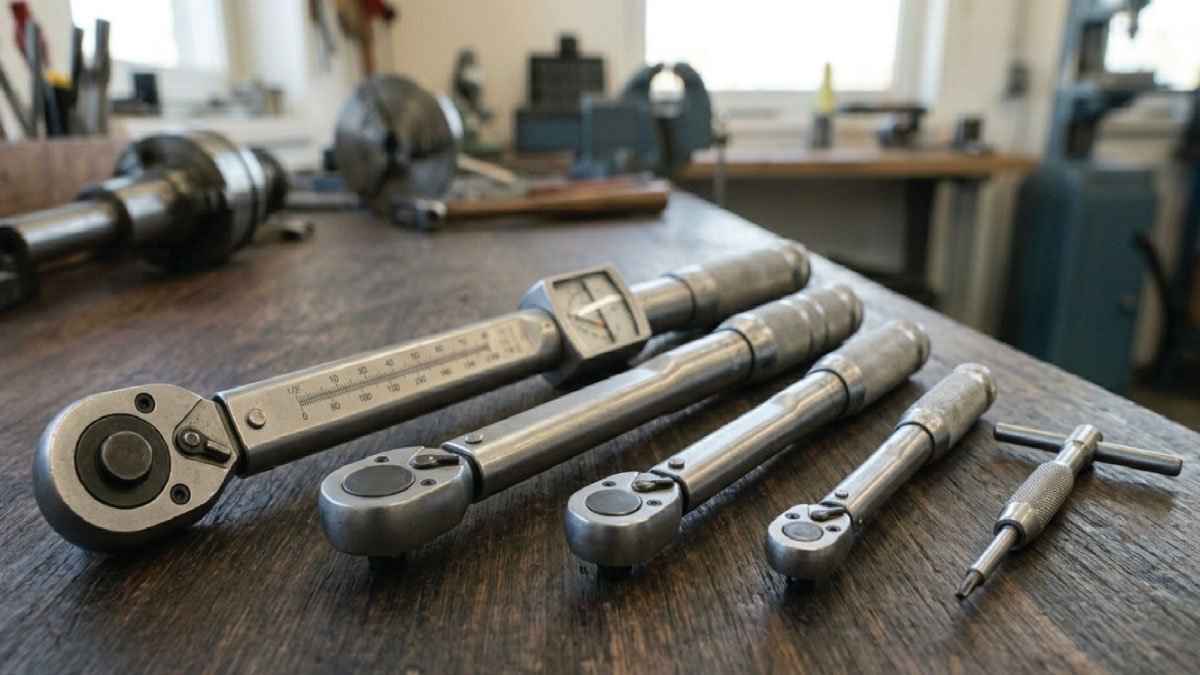
When it comes to mechanical work, precision is everything. Over-tightening or under-tightening bolts can lead to catastrophic failures, whether you are working on your car, assembling machinery, or doing a DIY project at home.
This is where a torque wrench becomes an indispensable tool. But knowing which torque wrench size to use, and understanding the proper torque specifications, can be confusing for beginners and even experienced DIYers.
In this guide, I will share my personal experience with torque wrenches, a detailed torque wrench size chart, and practical tips to make your work safer and more accurate.
How I Learned the Importance of the Right Torque Wrench: A Workshop Story
The first time I truly appreciated the value of a torque wrench was during a late-night bike repair project in my small home workshop. I was assembling a new wheel on my mountain bike and, eager to finish quickly, I tightened all the bolts with a standard wrench.
I thought I was being careful, but by the time I finished, I noticed a slight crack forming on the hub. My over-tightening had caused damage that could have been avoided entirely.
Frustrated but determined, I went out and invested in a calibrated click torque wrench. The difference was remarkable. Using the wrench, I could apply the exact torque required for each bolt.
As I slowly tightened the bolts, I felt and heard the reassuring click, indicating perfect tension without over-stressing the components. That night, I not only repaired the wheel successfully but also learned an invaluable lesson about precision.
From that moment, I started paying close attention to torque specifications for every project. I experimented with different drive sizes: 1/4-inch wrenches for bicycles and small electronics, 3/8-inch for car maintenance, and 1/2-inch for heavier DIY metal assemblies and trailer work. I also discovered the importance of proper lubrication, slow application, and periodic calibration.
Over the years, using the right torque wrench has saved me countless bolts, prevented mechanical failures, and even avoided safety hazards in my projects. I now always start by checking torque specifications and selecting the appropriate wrench, and I’ve made it a habit to maintain and store them properly.
This experience taught me that a torque wrench isn’t just a tool—it’s a guarantee of accuracy, safety, and peace of mind in every mechanical project, whether it’s a small bike repair or assembling heavy machinery. Precision truly matters, and the right tool makes all the difference.
What is a Torque Wrench?
A torque wrench is a tool designed to apply a specific amount of torque to a fastener such as a bolt or nut. Torque is the measure of rotational force applied, usually expressed in Newton-meters (Nm) or foot-pounds (ft-lbs). Using the correct torque is crucial for ensuring safety and proper performance.
I remember the first time I used a torque wrench during a bike repair project. I was assembling a new wheel and kept over-tightening the bolts, which eventually led to a slight crack in the hub.
After switching to a calibrated torque wrench, the assembly was perfect, and the peace of mind knowing the bolts were tightened correctly was worth every penny.
Why Torque Wrench Sizes Matter
Torque wrenches come in various sizes, and each is designed for a specific torque range. Using the wrong size can either damage your fasteners or result in loose assemblies. Understanding the size and range ensures efficiency and accuracy.
Here’s a simple analogy: Using a torque wrench with a low range for a car’s lug nuts is like trying to hammer a nail with a screwdriver—it just won’t do the job correctly.
Different Types of Torque Wrenches and Their Uses
Before exploring torque wrench sizes, it’s important to understand the main types of torque wrenches available and their common applications, as each type is designed for specific tasks, precision levels, and user preferences in automotive, machinery, or DIY projects.
1- Click Torque Wrench:
The click torque wrench is the most widely used type, offering a tactile “click” once the desired torque is reached. It ensures accuracy for automotive repairs, machinery assembly, and DIY projects, making it reliable and user-friendly for both professionals and hobbyists.
2- Beam Torque Wrench:
Beam torque wrenches are the oldest design, featuring a simple pointer and scale. They are inexpensive, durable, and don’t require calibration, but they demand careful attention while reading the torque, making them ideal for basic applications and quick checks.
3- Dial Torque Wrench:
Dial torque wrenches provide precise torque readings on a dial gauge. They are especially useful for applications requiring high accuracy, such as mechanical assemblies, engine components, and professional workshop projects where exact torque specifications are critical to avoid damage.
4- Electronic Torque Wrench:
Electronic torque wrenches display digital readings and often store preset torque values. They are perfect for industrial applications or professional mechanics who need high accuracy, repeatability, and efficiency, especially when working on critical machinery or heavy-duty fasteners.
In my personal workshop, I primarily use a click torque wrench because it balances simplicity, accuracy, and reliability. Beam wrenches are helpful for quick verification of torque, but they require more focus and steady hands to ensure accurate measurements.
How to Choose the Right Torque Wrench Size
Choosing the right torque wrench involves understanding the torque range, drive size, and your specific application. Here’s what I learned after years of working with mechanical assemblies:
Know Your Application
For small electronics and bicycles: 5–50 Nm range is usually sufficient.
For cars and motorcycles: 40–200 Nm range works well.
For heavy machinery or industrial bolts: 150–1000 Nm may be required.
Drive Size Matters
1/4-inch drive: Low torque applications (5–50 Nm).
3/8-inch drive: Medium torque (20–100 Nm).
1/2-inch drive: Standard automotive and machinery (40–200 Nm).
3/4-inch drive: High torque applications (150–500+ Nm).
Adjustable vs Fixed
Adjustable torque wrenches are versatile, but if you constantly work within a narrow torque range, a fixed torque wrench can be faster and more accurate.
Torque Wrench Size Chart
To make things easier, here’s a comprehensive torque wrench size chart with typical torque ranges and recommended applications:
| Drive Size | Torque Range (Nm) | Torque Range (ft-lbs) | Typical Applications |
|---|---|---|---|
| 1/4″ | 5–50 Nm | 4–37 ft-lbs | Electronics, Bikes, Small Fasteners |
| 3/8″ | 20–100 Nm | 15–75 ft-lbs | Cars, Motorcycles, Medium Bolts |
| 1/2″ | 40–200 Nm | 30–150 ft-lbs | Automotive, Machinery, Large Fasteners |
| 3/4″ | 150–500 Nm | 110–370 ft-lbs | Heavy Machinery, Trucks |
| 1″ | 400–1000 Nm | 300–750 ft-lbs | Industrial, Construction Equipment |
💡 Pro Tip: Always pick a torque wrench that covers the torque range slightly above and below your intended application. It ensures accuracy and reduces wear on the tool.
Read More:
Personal Experience: Selecting Torque Wrenches for My Workshop
Over the years, I’ve experimented with several torque wrench sizes. For light automotive repairs, I rely on a 3/8-inch drive click torque wrench, usually set between 25–100 Nm. For my occasional motorcycle projects, a 1/4-inch drive wrench is perfect for handlebars, small bolts, and brake assemblies.
For my home DIY projects involving metal frames, I invested in a 1/2-inch drive torque wrench. The difference it made was remarkable: bolts were perfectly tightened, no over-torquing, and the assemblies felt sturdier.
One experience that sticks out was when I was assembling a small trailer. Initially, I used a standard wrench without torque measurement and stripped a few nuts. Switching to a calibrated 1/2-inch torque wrench solved the problem, and the trailer was ready safely in less than an hour.
How to Read a Torque Wrench
Reading a torque wrench depends on its type:
Click Type: Turn the handle to your desired torque, and you will feel or hear a click once reached.
Beam Type: Align the pointer with the scale. Slow and steady application is key.
Dial Type: Simply read the value on the dial as you tighten.
Electronic Type: Input the torque value digitally, and it will alert when reached.
Accuracy comes with practice. I recommend doing a few trial runs on spare bolts to get a feel for the click or scale before working on critical assemblies.
Common Mistakes to Avoid
Even with the right torque wrench, mistakes happen. From my personal experience, here are the most common pitfalls:
Using the Wrong Torque Range: Using a small torque wrench for high-torque bolts can damage the tool.
Not Calibrating the Wrench: Over time, torque wrenches lose calibration. I recommend checking calibration every 6–12 months.
Over-Tightening: Click torque wrenches can give a false sense of security. Always listen and feel the click.
Dropping the Wrench: Mechanical torque wrenches are sensitive. Dropping can affect accuracy.
Avoiding these mistakes can save you from costly errors and extend the life of your wrench.
Read More:
Maintenance Tips for Torque Wrenches
Maintaining your torque wrench ensures it remains accurate and reliable:
Store in a Case: Always store in its protective case.
Release Tension: For adjustable wrenches, reset to the lowest torque setting after use.
Clean After Use: Wipe off dirt, grease, and debris.
Calibration: Periodically check calibration, especially for heavy-use tools.
I learned this the hard way. After neglecting my 1/2-inch torque wrench for over a year, it gave inconsistent readings. Calibrating it restored its accuracy and reliability.
When to Upgrade Your Torque Wrench
Over time, even high-quality torque wrenches may need replacement. Signs to consider upgrading include:
Inconsistent clicks or readings
Wear on the ratchet mechanism
Damage from drops or corrosion
I personally upgrade my torque wrenches every 5–7 years, depending on use. For heavy-duty workshop environments, more frequent replacement may be necessary.
Read More:
Conclusion
A torque wrench is not just another tool—it’s a precision instrument that ensures the safety and performance of your mechanical work. Understanding the torque wrench size chart, selecting the right drive, and using the correct torque range are crucial steps for every DIYer, mechanic, or engineer.
From personal experience, investing in quality torque wrenches and learning proper usage saves time, reduces mistakes, and gives you confidence in your work. Remember, whether it’s a small bicycle bolt or a large automotive component, the right torque applied the right way makes all the difference.
🔧 Pro Tip: Keep a small selection of torque wrenches covering 1/4″, 3/8″, and 1/2″ drives. This combination will handle almost every project around your workshop or garage.