
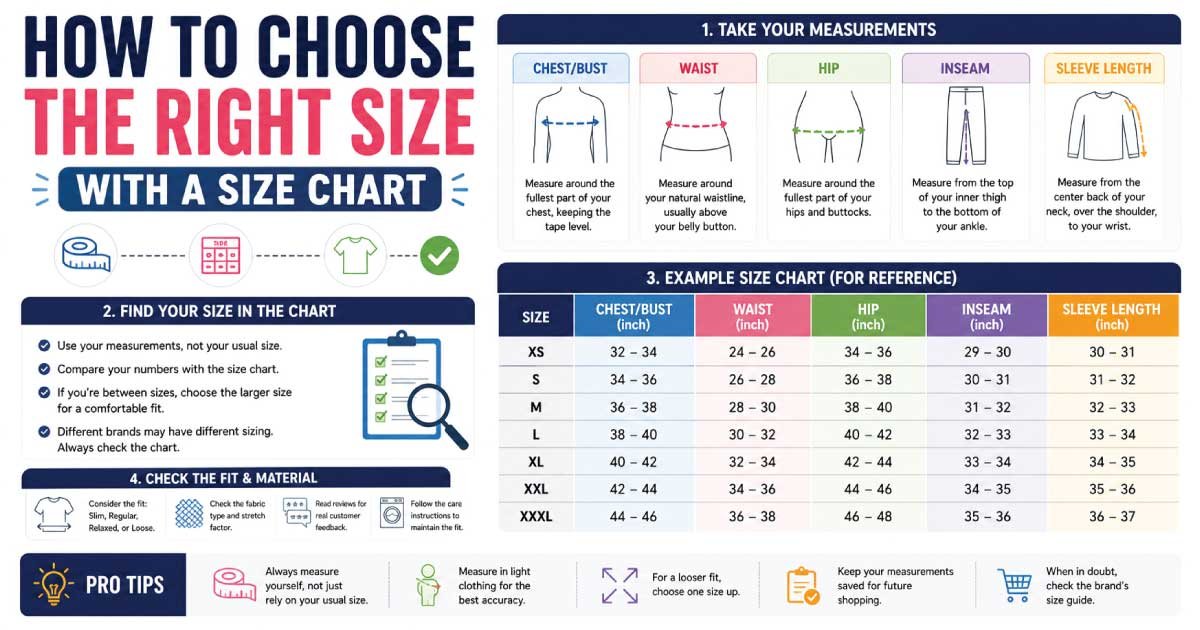
Buying the correct size should be simple, but many people still end up with clothing that doesn’t fit, furniture that won’t fit through the door, or shoes that feel uncomfortable after just a few hours. One of the biggest reasons is that shoppers often rely on labels such as Small, Medium, Large, or Queen instead of checking the actual measurements. A well-designed size chart eliminates this guesswork by providing exact dimensions for comparison.
Whether you are purchasing fashion items, home furniture, footwear, or accessories, learning how to use a size chart can save time, money, and unnecessary returns. Understanding measurements is especially important when shopping from international brands because sizing standards vary between countries and manufacturers.
If you want Accurate Size Charts for different product categories, resources like Size Helper provide detailed measurement guides that make selecting the correct size much easier. Their collection of size charts is available at Size Helper while German-speaking users can access localized guides at De.Size Helper
Why Size Charts Matter
A size chart is much more than a simple table with numbers. It is a measurement guide that compares your body dimensions or available space with a manufacturer’s recommended sizing.
Without checking measurements, you may experience:
- Clothing that feels too tight or too loose
- Shoes that cause discomfort
- Rings that don’t fit your finger
- Furniture that doesn’t fit your room
- Mattresses that are either too small or too large
- Increased product returns and exchanges
Using a reliable size chart before purchasing significantly reduces these problems and helps you make informed buying decisions.
How a Size Chart Works
Every size chart is based on measurements rather than assumptions. Instead of relying on labels like “Medium” or “Large,” the chart provides actual dimensions that you can compare against your own measurements.
For example, a clothing size chart may include:
- Chest
- Waist
- Hip
- Sleeve Length
- Shoulder Width
- Inseam
Furniture size charts may list:
- Height
- Width
- Depth
- Seat Height
- Overall Length
- Clearance Space
The purpose remains the same: matching measurements instead of guessing.
Why Sizes Differ Between Brands
One of the biggest mistakes shoppers make is assuming that every brand follows the same sizing standard.
For example:
- A Medium from Brand A may fit like a Large from Brand B.
- European shoe sizes differ from US sizes.
- UK clothing sizes are different from US measurements.
- Furniture dimensions vary between manufacturers.
This is why experts recommend checking the manufacturer’s size chart every time you shop, even if you’ve purchased similar products before.
Websites like Size Helper organize Accurate Size Charts across multiple categories, making it easier to compare measurements before making a purchase.
Step 1: Measure Yourself Correctly
Before opening any size chart, start by taking accurate measurements. A flexible measuring tape provides the most reliable results.
Body Measurements
For clothing, measure:
- Chest
- Waist
- Hips
- Neck
- Sleeve Length
- Shoulder Width
- Inseam
Avoid wearing bulky clothing while measuring, and keep the tape snug without pulling it too tightly.
Recording your measurements in both centimeters and inches is useful because many international brands use different units.
Step 2: Understand the Measurement Units
Most size charts use either:
- Inches
- Centimeters
- Millimeters
International stores often provide both metric and imperial units, but not always.
Knowing how to convert between these units ensures you select the correct size without confusion.
For example:
- 1 inch = 2.54 centimeters
- 10 inches = 25.4 centimeters
Many online guides, including those available through Size Helper, simplify these conversions with easy-to-read measurement references.
Step 3: Compare Measurements Instead of Labels
Never choose a product simply because you usually wear a certain size.
Instead, compare:
Your Measurements → Product Size Chart
This approach is much more accurate than relying on labels alone.
For instance:
If your chest measures 40 inches and the size chart recommends a Large for 40–42 inches, that is a much safer choice than selecting Medium simply because you have worn it in another brand.
This method works equally well for clothing, shoes, rings, furniture, and many other products.
Common Mistakes When Using a Size Chart
Many shopping mistakes happen because buyers skip important details. Some of the most common errors include:
Ignoring Measurement Units
Mixing inches with centimeters can easily result in selecting the wrong size.
Using Old Measurements
Body measurements can change over time. Re-measuring yourself before making important purchases helps ensure greater accuracy.
Not Reading Product Notes
Some products are designed with:
- Slim Fit
- Regular Fit
- Relaxed Fit
- Oversized Fit
Even if the measurements match, the intended fit can change how the product feels when worn.
Guessing Instead of Measuring
This remains the most common mistake. Taking just a few minutes to measure yourself is far more reliable than guessing based on previous purchases.
Choosing the Right Clothing Size
Clothing is one of the most common areas where size charts are essential.
A complete clothing size chart usually includes:
- Chest
- Waist
- Hip
- Sleeve
- Shoulder
- Length
Instead of focusing on labels like Small or XL, compare each body measurement individually.
If one measurement falls between two sizes, check the brand’s sizing advice. Some brands recommend sizing up for comfort, while others suggest choosing the closer measurement for a tailored fit.
For shoppers looking for Accurate Size Charts across different clothing categories, Size Helper offers comprehensive measurement guides that simplify the selection process for both local and international brands.
Choosing the Right Shoe Size
Shoes are another product category where accurate measurements make a significant difference. A shoe that is too small can cause discomfort, while a shoe that is too large may affect stability and walking comfort.
Before buying shoes online:
- Measure both feet.
- Use the larger foot if there is a slight difference.
- Measure while standing.
- Wear the type of socks you normally use with the shoes.
Most shoe size charts include:
- Foot Length
- Foot Width
- US Size
- UK Size
- EU Size
Since shoe sizing differs across countries, always compare your foot length with the manufacturer’s chart instead of relying only on your usual size.
Selecting the Right Furniture Size
Furniture purchases involve more than personal measurements—they also require accurate room measurements.
Before ordering furniture:
- Measure the available floor space.
- Check ceiling height if necessary.
- Measure doorways and hallways.
- Consider walking space around the furniture.
- Account for drawers, reclining sections, or extendable parts.
For example, a sofa may fit perfectly inside your living room but still be impossible to move through the entrance if the doorway is too narrow.
Using detailed furniture size charts helps prevent costly delivery problems and ensures the furniture fits comfortably within your space.
Understanding International Size Charts
Many online stores sell products worldwide, but sizing standards are not universal.
Common sizing systems include:
- US Sizes
- UK Sizes
- EU Sizes
- Asian Sizes
- International Letter Sizes (XS–XXXL)
A Medium in one country may fit like a Small or Large in another. Rather than converting sizes by guesswork, use reliable comparison charts that provide exact measurements.
This is especially useful when purchasing clothing, shoes, or accessories from international retailers.
How to Buy Online with Confidence
Online shopping offers convenience, but it also removes the ability to try products before purchasing. Fortunately, size charts help bridge this gap.
Before clicking “Buy Now”:
- Measure yourself or your available space.
- Compare those measurements with the product chart.
- Read the sizing notes carefully.
- Check customer reviews for additional sizing insights.
- Verify the unit of measurement (cm or inches).
Following these simple steps greatly reduces the chances of ordering the wrong size.
Why Accurate Measurements Save Money
Many product returns happen because buyers select the wrong size.
Incorrect sizing often leads to:
- Return shipping costs
- Exchange fees
- Delivery delays
- Customer frustration
- Wasted time
Taking just a few minutes to compare measurements before placing an order can prevent these issues.
Whether you are shopping for clothing, shoes, rings, furniture, or home accessories, accurate sizing benefits both buyers and retailers.
Where to Find Accurate Size Charts
Not every online store presents measurements in a clear or consistent way. Some provide only basic labels, while others offer detailed dimensions for every product.
If you regularly compare products from different brands, using a dedicated sizing resource can make the process much easier.
Size Helper provides Accurate Size Charts covering a wide range of categories, helping shoppers compare measurements with confidence before making a purchase.
You can explore their complete collection of measurement guides at:
For German-speaking users, localized sizing resources are also available at:
These guides are designed to simplify the sizing process and make international shopping more straightforward.
Tips for Using a Size Chart Effectively
To get the most accurate results, keep these best practices in mind:
- Measure carefully using a flexible measuring tape.
- Compare actual measurements instead of relying on size labels.
- Read product descriptions and fit recommendations.
- Double-check measurement units before ordering.
- Review the manufacturer’s size chart for every purchase.
- Re-measure yourself periodically, especially for clothing.
- Save your measurements for future shopping.
- Consider customer reviews if available.
These habits can improve buying decisions and reduce unnecessary returns.
Frequently Asked Questions
How do I choose the correct size using a size chart?
Start by measuring yourself or the available space accurately. Compare those measurements with the manufacturer’s size chart instead of relying on Small, Medium, or Large labels. Choosing the closest matching measurements generally provides the best fit.
Why are size charts different between brands?
Each manufacturer follows its own sizing standards and design preferences. Differences in fit, materials, and target markets mean that a Medium from one brand may not match a Medium from another. Always check the specific size chart provided for each product.
Are online size charts accurate?
Most size charts are reliable when they are based on actual product measurements. The key is taking accurate measurements and comparing them carefully. Trusted resources that provide Accurate Size Charts can make this process much easier.
Should I size up if I am between two sizes?
It depends on the product and its intended fit. For slim-fit clothing, sizing up may improve comfort. For tailored garments, choosing the size that most closely matches your measurements is often the better option. Always read the brand’s sizing recommendations.
Where can I find reliable size charts for different products?
Dedicated sizing resources such as Size Helper offer detailed measurement guides for clothing, shoes, furniture, and other everyday products. They help shoppers compare measurements and choose the right size with greater confidence.
Conclusion
Choosing the right size doesn’t have to be complicated. By taking accurate measurements, understanding how size charts work, and comparing actual dimensions instead of guessing, you can shop with far greater confidence. Whether you’re buying clothing, footwear, furniture, or accessories, spending a few extra minutes checking measurements can save time, money, and frustration.
Reliable resources such as Size Helper make this process even easier by providing Accurate Size Charts across multiple product categories. Whether you prefer the international version at Size helper or the German version at de.sizehelper having access to well-organized measurement guides helps you choose the right size the first time and enjoy a better shopping experience.
Also Read: